
I have spent a lot of time helping families find the right support tools for their loved ones. One area that often comes up in conversation is senior alert systems. These systems promise safety and independence for older adults but they can also feel overwhelming to research.
Many people find themselves wondering which system is truly best. They ask about features like fall detection or GPS tracking. They also worry about monthly costs and how easy the devices are to use. I want to simplify this process for you.
My goal in this article is to cut through the confusion. I will share practical information and insights gained from seeing these systems in action. We will explore the various options available so you can make an informed choice for your family.
Understanding the Basics of Senior Alert Systems
When I talk about senior alert systems I am referring to devices designed to provide quick access to help in an emergency. These systems give older adults and their families a greater sense of security. They are particularly helpful for those living alone or who have health conditions that might lead to falls or other urgent situations.
The technology has advanced significantly over the years. What started as a simple button has become a sophisticated network of sensors and communication tools. Today’s systems offer more than just a panic button. They are integrated solutions that can monitor health and even detect emergencies automatically.
The core benefit remains the same. These systems ensure that help is just a press away or sometimes even completely automatic. This means loved ones can maintain their independence at home or when out and about. It also means family members do not have to constantly worry about their safety.
Different Types of Devices
Modern senior alert systems come in various forms. This variety helps meet different needs and lifestyles. Knowing the main types is the first step in finding a suitable match.
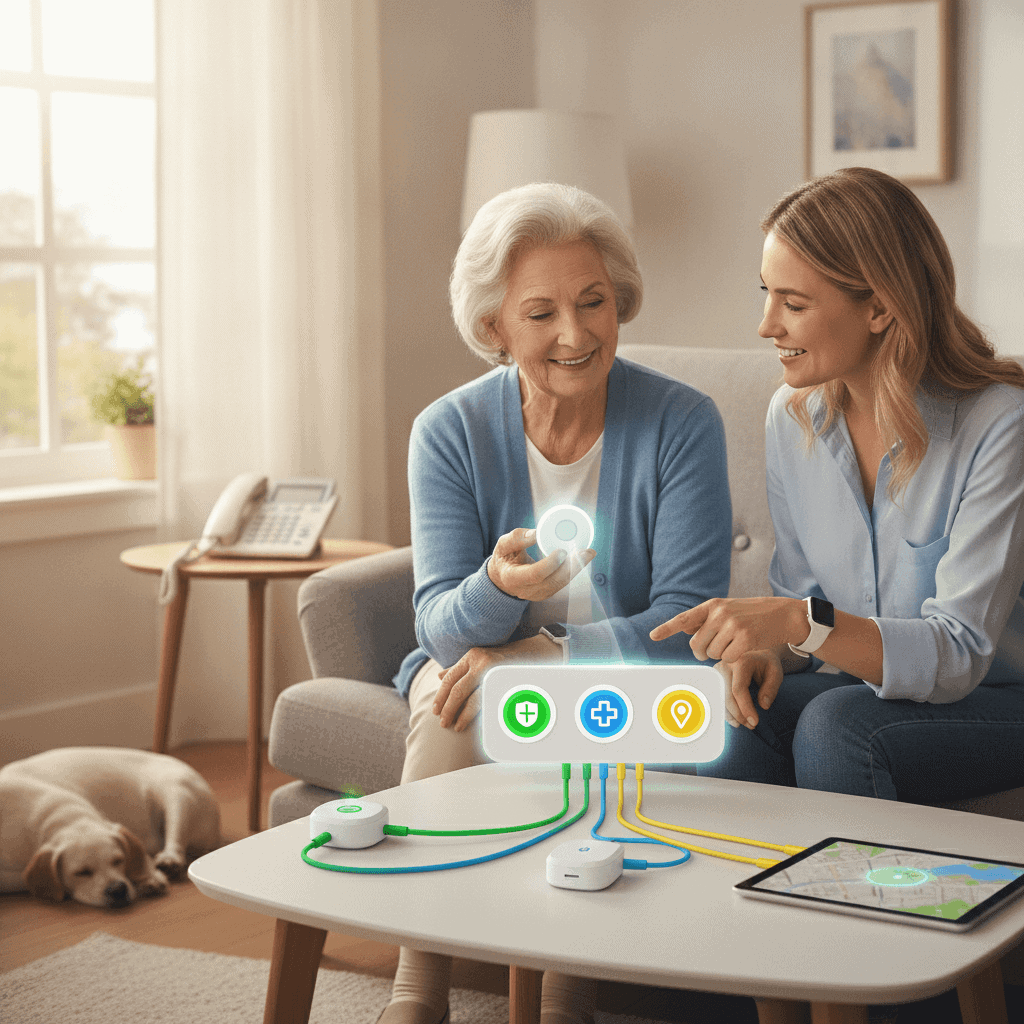
- Wearable Pendants These are often necklaces or bracelets with a button to press for help. Many are waterproof so seniors can wear them in the shower where falls are common.
- Smartwatches Some advanced smartwatches now include fall detection and emergency contact features. They appeal to seniors who want discreet devices.
- Home Units These central base units connect to wearable devices and often have powerful two-way speakers. They provide coverage within the home and sometimes just outside it.
I always tell people to think about how active the senior is and where they spend most of their time. This helps narrow down the choices.
Key Features to Consider for Personal Needs
Choosing a senior alert system means looking closely at the features available. I have seen how certain features can make a real difference in daily life. It is not just about having a system but having the *right* system for individual circumstances.
For example fall detection is a feature many families prioritize. These systems use accelerometers and other sensors to identify when a fall has occurred. Then they automatically alert the monitoring center or designated contacts. This is very important because not all falls result in a person being able to press their help button.
Another feature gaining popularity is GPS tracking. This is especially useful for active seniors who spend time outside their home. It allows family members or emergency services to locate them quickly if an incident happens away from home. I find this feature really helps ease anxiety for both seniors and their caregivers.
Two-way communication is also a game changer. Many systems allow the senior to speak directly through their pendant or base unit to a dispatcher. This speeds up help because the dispatcher can understand the situation better. Water resistance is also a must have for any wearable device. This ensures it works even in the bathroom or during daily activities that involve water.
Customizing Your System
When I guide families through this selection process, I emphasize customization. Every senior is unique and so are their needs. We must consider a few things before deciding on a system.
First think about the senior’s lifestyle. Are they very active and often out in the community. Or do they mostly stay home. This impacts whether GPS tracking is essential. Next consider their home environment. Is it a small apartment or a large multi-story house. This affects the range needed for in-home units.
We also need to look at specific health concerns. Does the senior have a history of falls or other medical conditions that might require immediate assistance. The answers to these questions guide us in selecting features like automatic fall detection or medication reminders. Tailoring the system ensures maximum effectiveness and comfort.
Monitoring Services and Response Teams
The effectiveness of any senior alert system largely depends on the quality of its monitoring service. I always stress that the device itself is only one part of the equation. The human element behind the system is equally important. When an emergency button is pressed or a fall is detected there must be a prompt and reliable response.
There are generally two main types of monitoring. Professional monitoring involves a 24/7 call center staffed by trained operators. These operators assess the situation and then contact either emergency services or a list of designated family members. This continuous coverage offers great peace of mind.
Alternatively some systems allow for direct family contact. This means alerts go straight to family phones or devices. This can be a more affordable option but it relies on family members being available to respond immediately. I often see families choose a hybrid approach using both professional monitoring and family alerts for different situations.
The importance of quick action cannot be overstated. In medical emergencies every second counts. A good monitoring service ensures that information is relayed accurately and rapidly to the appropriate responders. We also look for systems that adhere to industry certifications and standards. These standards guarantee a certain level of quality and reliability in their operations.
Installation and Ease of Use
I have noticed that even the most advanced senior alert system is useless if it is too complicated to set up or operate. This is why I always prioritize ease of use. For many seniors learning new technology can be a barrier. Simple setup and intuitive controls are essential for successful adoption.
Most modern systems are designed for straightforward installation. Often it involves plugging in a base unit and then pairing it with wearable devices. The instructions are usually clear and simple to follow. Many companies also offer support via phone to walk you through the process.
User friendly interfaces are key. Buttons should be large and clearly labeled. Sounds and voice prompts should be easy to hear and understand. I encourage families to involve the senior in the setup and testing phase. This helps them feel comfortable with the device and understand how it works.
Regular maintenance is minimal. It usually involves keeping the base unit plugged in and charging wearable devices as needed. We always advise testing the system monthly. This ensures everything is functioning correctly and provides ongoing familiarity for the senior. Troubleshooting common issues like a lost connection or low battery is usually straightforward too. The goal is to make using the system second nature.
Cost Considerations and Coverage Options
Understanding the financial aspects of senior alert systems is a big part of the decision. I know that costs can vary widely so it is important to look at all the factors involved. This helps families budget effectively and avoid any surprises down the line.
We usually see two main types of costs. First there is the initial purchase price for the equipment itself. Some companies provide equipment for free as part of a service agreement. Second there are monthly monitoring fees. These fees cover the 24/7 monitoring service. I always advise carefully reading contracts to understand what is included in these fees.
There can also be hidden costs. These might include activation fees equipment upgrades or cancellation penalties. Some systems also charge extra for features like fall detection or GPS tracking. It is wise to ask for a detailed breakdown of all potential costs before committing to a provider.
Finding Affordable Solutions
Many families look for ways to make these systems more affordable. I have found that comparing different providers is a good first step. Prices can differ significantly for similar services.
Insurance and Medicare coverage for senior alert systems is often a point of confusion. While traditional Medicare usually does not cover these systems some Medicare Advantage plans might offer benefits. It is always best to check directly with the insurance provider. Some state and local programs also offer subsidies or assistance for eligible seniors. These resources can greatly reduce the financial burden.
Real-Life Impact and Peace of Mind
I have heard countless stories about how senior alert systems have literally saved lives. One instance that stands out is an elderly woman who fell in her bathroom. She was alone and unable to reach her phone. Her fall detection pendant automatically alerted the monitoring center. They dispatched paramedics who arrived quickly and helped her get the care she needed.
These stories highlight the tangible benefits. Beyond emergency response these systems provide profound peace of mind for both seniors and their families. Knowing that help is always available allows seniors to live more confidently in their own homes. This sense of security reduces isolation and promotes active independent living.
For family members the systems offer reassurance. They know their loved one has a safety net in place. This allows them to manage their own busy lives without constant worry. It is a true partnership in care. The system helps bridge the gap when family cannot be there every second of every day.
My Final Thoughts on Senior Alert Systems
I have spent a long time helping people understand how senior alert systems can really make a difference. We have talked about how important these systems are for keeping older adults safe and independent. They offer essential support for both seniors and their families. I believe that understanding the various options and features is the first step toward making a confident decision.
We looked at the core components of these systems from wearable pendants to advanced features like fall detection and GPS. I want to remind you that the best system is one that fits the individual needs and lifestyle of the person using it. We also covered the significance of reliable monitoring services and why ease of use should be a top priority.
It is clear that cost is a factor for many families. However I have shown that there are ways to manage these expenses. This includes comparing providers and checking for potential coverage options. Ultimately investing in a senior alert system is about investing in peace of mind. It is about empowering seniors to live freely and safely.
I encourage you to take these insights and apply them to your own situation. Start a conversation with your family and explore the possibilities. Being proactive about safety measures ensures a better quality of life for everyone involved. For a more detailed guide on choosing senior alert systems you can find additional information and resources there.
